Why tree work is different in Valley Stream
About half the houses here went up before 1950: Capes, Colonials, and Tudors on 40-by-100
and 50-by-100 lots, with side yards where you can touch both fences at once. The trees
planted alongside them are seventy-plus years old now. Norway maples, silver maples, London
planes, pin oaks, and the Bradford pears that split at twenty. A sapling beside a new Cape in
Gibson in 1950 is a sixty-foot canopy today, hanging over three roofs, a driveway, and the
wires.
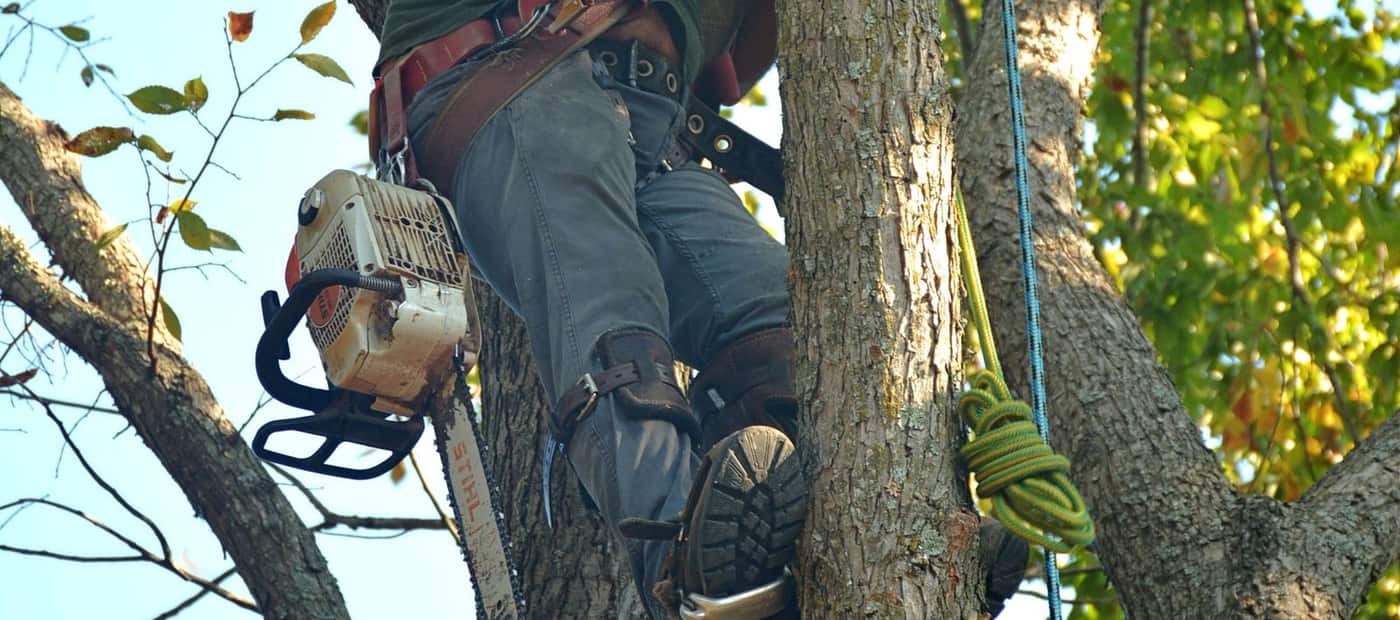
So there's rarely anywhere to drop anything. Most removals here are climb-and-rig jobs, with
pieces lowered on ropes into the one clear spot in the yard, or a crane in the street lifting
sections over the house. It's slower and takes more skill than dropping a tree in an open
field, and that's the main reason Long Island pricing runs above the national average.
Anyone who quotes you without standing in your side yard is guessing.
Where you are in Valley Stream changes the job
- Gibson and the prewar sections - mature street trees and deep lots from the 1920s and 30s. Big removals, careful rigging, and Village permit paperwork on the private-property trees.
- Mill Brook - the 1950s phase was built with utility lines running through the backyards. Anything coming down back there is a wire job first and a tree job second.
- North Valley Stream and the hamlets - Town of Hempstead rules for the curb trees, your rules for the yard. Different permit, same crew.
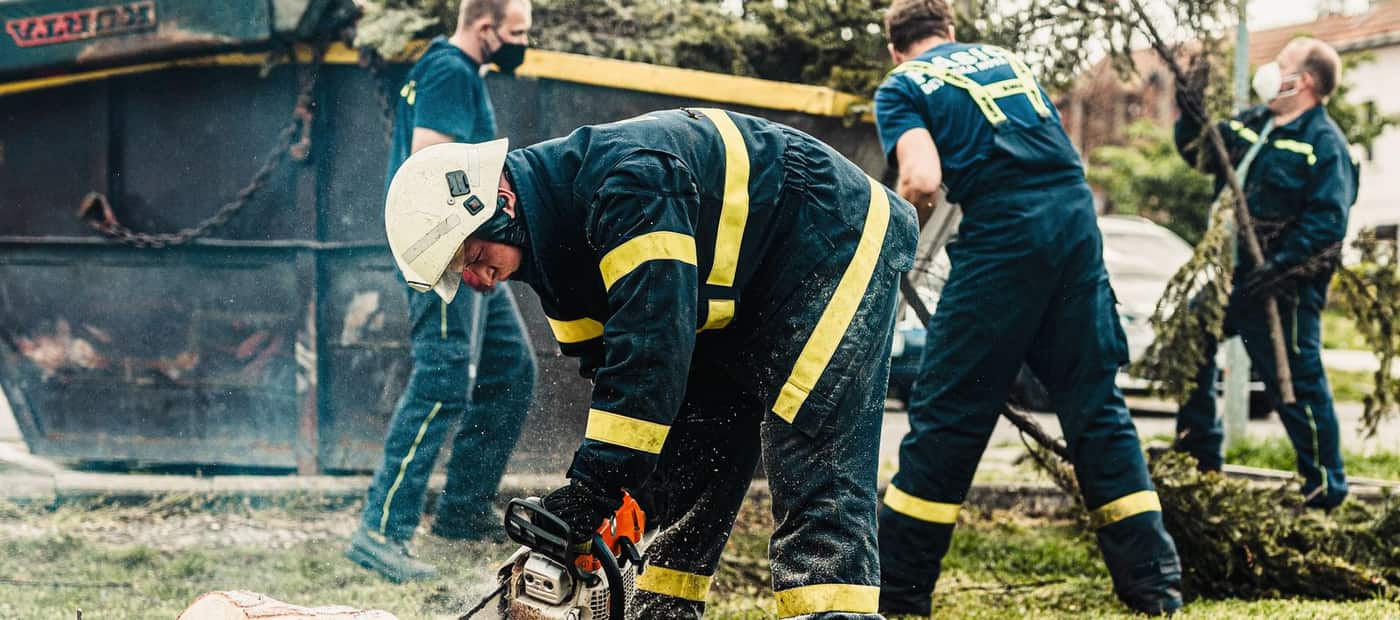
- After a storm - Isaias in 2020 put more than a hundred trees and limbs down in Valley Stream alone and left hundreds of homes dark for days. We get to trees on houses and wires first, driveways second, everything else after.
Looking for tree service near Valley Stream? We work the Village, the hamlets, and the towns
that touch them: Lynbrook,
Elmont,
Franklin Square,
Hewlett,
Cedarhurst, Malverne, West Hempstead, and over the
Queens line into Rosedale. See every town we cover. Half of
them are incorporated villages with their own tree permits, and we'd rather sort that out
before anyone starts cutting.